Thinking Hard Hurts Book Notes from Joseph Nguyen’s Don’t Believe Everything You Think

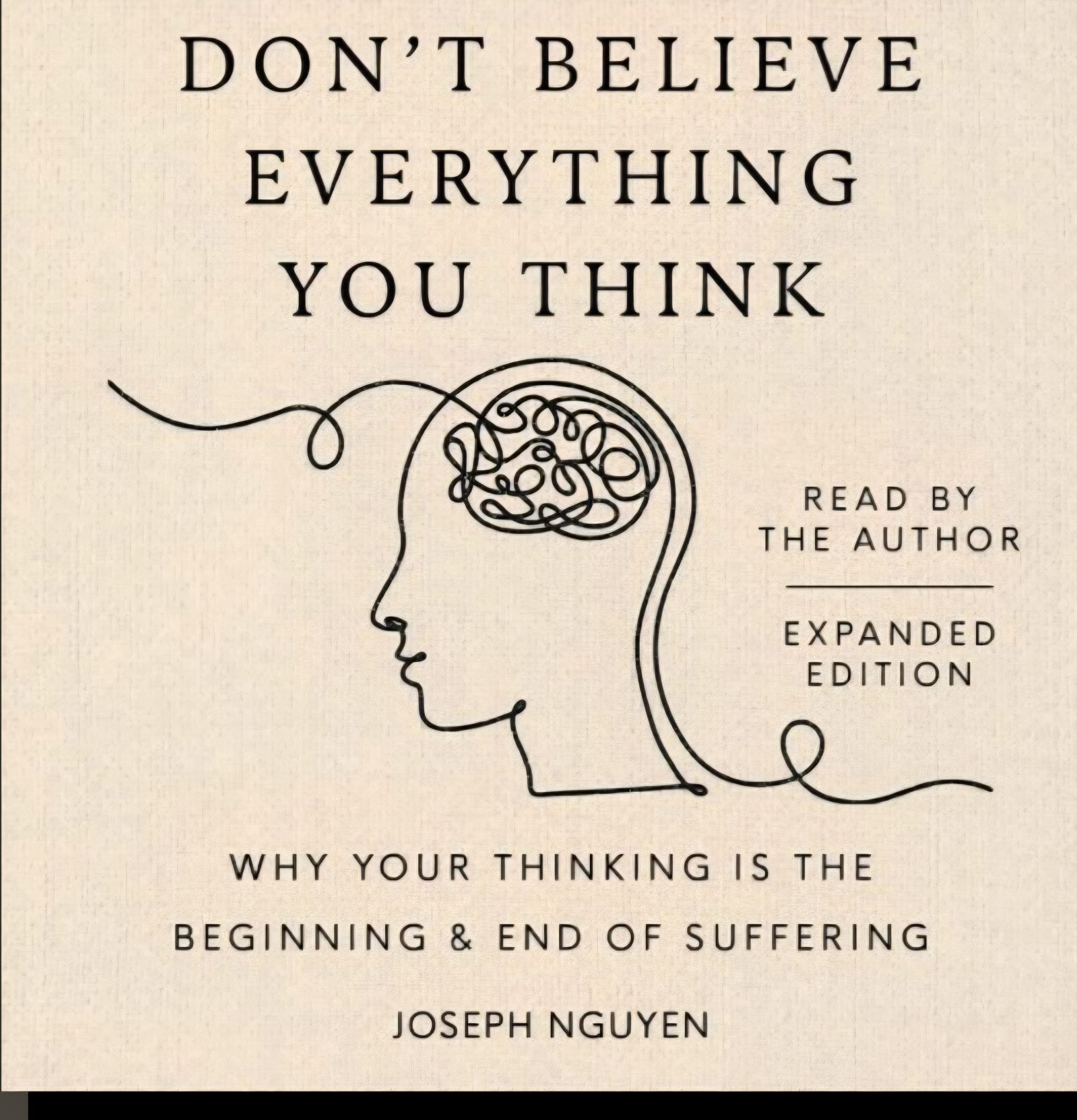
Based on Joseph Nguyen's Don't Believe Everything You Think, here's the advice he'd likely give you about dealing with other people and being a good friend:
Take away A and B.
A. It’s earnest and thought-provoking. B. It’s a quick read, better go around twice.
My big takeaway. If you are going to depend on a belief system for how to get along and make decisions about your life, make it Buddhism because none of the answers require anyone to be deported or killed.
The Core Principle: Your Thoughts About Others Aren't Reality
Understanding Projection
Nguyen's Key Insight: Most conflict and relationship struggle comes from believing the stories your mind creates about other people's intentions, feelings, and motivations. These stories aren't facts—they're interpretations filtered through your own fears, past experiences, and insecurities.
Applied to Friendship:
- Your friend cancels plans → Your mind says: "They don't value our friendship"
- Reality might be: They're overwhelmed, dealing with something private, or simply exhausted
- The thought creates suffering; the cancellation is just a neutral event
His Advice: Question every negative interpretation you have about a friend's behavior. Ask yourself: "Is this thought definitely true, or is this a story I'm telling myself?"
Stop Mind-Reading
The Trap of Assumed Knowledge
What We Do:
- "They're upset with me"
- "They think I'm annoying"
- "They're judging my choices"
- "They don't want to hear from me"
Nguyen's Reality Check: You literally cannot know what someone else is thinking. Every assumption is your mind creating stories. These stories usually say more about YOUR insecurities than about the other person's actual thoughts.
His Advice for Friendships:
- If you're worried about something, ASK directly instead of assuming
- "Hey, I noticed you've been quiet lately—is everything okay with us?"
- Most of the time, your worry has nothing to do with reality
- Direct communication eliminates 90% of imagined problems
Being Present vs. Being in Your Head
The Gift of Presence
Nguyen's Teaching: The best thing you can offer another person is your genuine presence—not your advice, not your judgment, not your own similar story, but your full attention without mental commentary.
What Gets in the Way: While your friend is talking, your mind is:
- Preparing what you'll say next
- Judging their situation
- Comparing to your own experience
- Thinking about how this affects you
- Planning how to fix their problem
Being a Good Friend (Nguyen's Way):
- Listen without formulating responses - Just hear them
- Don't believe your judgments - Notice when your mind judges their choices, then let those thoughts pass
- Be comfortable with silence - You don't need to fill every gap
- Ask questions instead of giving advice - "What do you think you'll do?" not "Here's what you should do"
- Let them have their experience - You don't need to fix, solve, or change their feelings
Your Mood Isn't About Them
Taking Responsibility for Your State
Nguyen's Principle: Your emotional state comes from your thinking, not from what other people do. This is hugely liberating for friendships.
Common Friendship Thoughts:
- "They made me feel left out"
- "They ruined my mood"
- "They made me anxious"
- "They hurt my feelings"
Nguyen's Reframe:
- They did something (neutral fact)
- You had thoughts about it (your interpretation)
- Those thoughts created your feelings (your experience)
- They didn't "make" you feel anything—your thinking did
Why This Matters: When you stop blaming friends for your emotional states, you stop holding grudges, stop feeling victimized, and stop needing them to behave certain ways for you to be okay.
Being a Better Friend:
- Own your reactions: "I felt hurt when you canceled" (your feeling) vs. "You hurt me" (blame)
- Don't make friends responsible for managing your emotions
- If you're in a bad mood, recognize it's your thinking, not them
Letting Go of Expectations
The Expectation Trap
What Ruins Friendships: Unspoken expectations + belief that friends "should" behave certain ways = constant disappointment and resentment
Your Mind Creates Rules:
- "Good friends always respond quickly"
- "Real friends remember birthdays"
- "They should know what I need without me asking"
- "Friends should agree with my major life choices"
Nguyen's Truth: Every "should" thought is arbitrary. Your mind made it up based on your past experiences, cultural conditioning, or family patterns. It's not universal truth.
His Advice:
- Notice your "should" thoughts about friends
- Recognize they're optional beliefs, not facts
- Let people be who they are, not who you think they should be
- Communicate needs directly instead of expecting mind-reading
Example:
- Old thought: "My friend should have checked in on me during my renovation stress"
- Nguyen's reframe: "They didn't know I needed that. I can ask for support directly."
Handling Conflict Without Believing Your Thoughts
When Disagreements Arise
What Usually Happens:
- Friend does/says something
- Your mind creates meaning: "That was disrespectful"
- You believe the thought completely
- You react from that belief
- Conflict escalates
Nguyen's Approach:
- Friend does/says something
- Your mind creates meaning: "That was disrespectful"
- You notice it's just a thought, not necessarily true
- You pause before reacting
- You get curious: "What did they actually mean?"
Being a Good Friend During Conflict:
- Separate facts from interpretations
- Fact: "You canceled our plans"
- Interpretation: "You don't care about our friendship"
- Ask about the fact, don't attack based on interpretation
- "Hey, you canceled—what's going on?" vs. "You obviously don't value our friendship"
The Root of Judgment
Why We Judge Friends
Nguyen's Insight: Judgment of others always comes from insecurity and thought stories. When you're secure in yourself and not believing every thought, you naturally become less judgmental.
What's Really Happening:
- Your friend makes a choice you wouldn't make
- Your mind says: "That's stupid/wrong/irresponsible"
- You believe that thought
- You judge them or try to change them
The Alternative:
- Your friend makes a choice you wouldn't make
- Your mind says: "That's stupid/wrong/irresponsible"
- You notice that's just your mind's opinion, not objective truth
- You let them live their own life
- You remain connected without needing them to be different
Being Less Judgmental:
- Notice when you're judging a friend's choices
- Ask: "Is my judgment helping them or just making me feel superior?"
- Remember: their path is their path, not yours
- Your job isn't to fix or improve your friends
Compassion Comes Naturally
When Thought Settles
Nguyen's Promise: When you're not caught up in believing all your thoughts about people, natural compassion emerges. You don't have to work at it or force it.
Why:
- Without constant mental commentary, you see people clearly
- You recognize everyone is dealing with their own thought-created suffering
- You're not taking their behavior personally (because it's rarely about you)
- You feel connected to shared human experience
What This Looks Like:
- Friend is irritable → Instead of "They're being rude to me," you think "They seem stressed—I wonder what's going on"
- Friend is distant → Instead of "They don't want to be friends anymore," you think "They might be going through something"
- Friend makes a mistake → Instead of "How could they do that?" you think "We all mess up sometimes"
Advice for Specific Friendship Situations
When a Friend Disappoints You
Don't Believe These Thoughts:
- "This friendship is over"
- "They never really cared"
- "I should cut them off"
- "This proves they're a bad friend"
Nguyen's Approach:
- Recognize disappointment is coming from your thoughts/expectations, not the event itself
- Let the initial emotional reaction pass (it will, if you don't fuel it with more thinking)
- When calm, decide if you want to address it or let it go
- If addressing: state facts, not interpretations
When You Feel Left Out
Don't Believe These Thoughts:
- "Nobody wants me around"
- "I'm not interesting enough"
- "They did it on purpose"
- "This means something about my worth"
Nguyen's Approach:
- Notice these are insecurity thoughts, not facts
- People have their own lives and reasons for things that have nothing to do with you
- If it bothers you repeatedly, communicate directly
- Don't create elaborate stories about why you weren't included
When a Friend Makes Bad Choices (in Your Opinion)
Don't Believe These Thoughts:
- "I need to save them from themselves"
- "They're making a huge mistake"
- "A good friend would intervene"
- "I know better than they do"
Nguyen's Approach:
- You don't actually know what's best for someone else's life
- Your certainty about their "mistake" is just your thought, not universal truth
- Offer perspective if asked, but don't make their choices your responsibility
- Trust them to learn from their own experiences
When You're Anxious About Reaching Out
Don't Believe These Thoughts:
- "They don't want to hear from me"
- "I'll be bothering them"
- "Too much time has passed"
- "They've moved on"
Nguyen's Approach:
- These are anxiety thoughts, not facts
- The worst that happens: they don't respond or say they're busy
- Most people appreciate being reached out to
- Stop letting imaginary scenarios prevent real connection
The Friendship Paradox
Trying Less, Connecting More
Nguyen's Counterintuitive Truth: The less you're in your head analyzing, worrying, and overthinking about friendships, the better your friendships become.
What Kills Connection:
- Constantly monitoring: "Are we okay?"
- Overanalyzing every interaction
- Worrying about being a good enough friend
- Trying to control how they see you
- Needing validation
What Creates Connection:
- Being genuinely present when together
- Not believing your anxious thoughts about the relationship
- Letting the friendship be what it is without forcing
- Being yourself without performance
- Enjoying their company without agenda
Practical Steps for Being a Better Friend (Nguyen's Way)
Daily Practice
- Notice when you're believing stories about friends
- "They're mad at me" → Is this definitely true?
- "They don't care" → Am I mind-reading?
- "I should have..." → Says who?
- Pause before reacting to perceived slights
- Let the initial thought pass
- Don't respond from the thought-created emotion
- Get curious about reality vs. interpretation
- Practice presence in conversations
- Notice when your mind wanders to responses/judgments
- Gently return attention to listening
- Be comfortable not having the perfect thing to say
- Question your expectations
- Notice "should" thoughts about how friends ought to behave
- Recognize these are optional beliefs
- Let friends be themselves
- Take responsibility for your state
- Notice when you blame friends for your feelings
- Recognize your feelings come from your thinking
- Own your experience
The Ultimate Advice
Nguyen's Core Message for Friendships:
"Most friendship problems are thought-created problems. When you stop believing every thought about what your friend meant, what they think of you, what they should do, or what's wrong with the relationship, you discover that the friendship itself is probably fine.
Be present. Don't believe your stories. Let people be who they are. Communicate directly when needed. The rest takes care of itself.
You don't need to be perfect. You don't need to never have negative thoughts about friends. You just need to recognize those thoughts for what they are—mental chatter, not truth—and not let them dictate your actions.
The best friend you can be is someone who's not constantly trapped in their own mental narrative about the friendship. Just show up. Listen. Care. Let your thoughts pass through without believing them all. That's it."